The pursuit of higher education is a fundamental aspect of personal and professional growth, providing individuals with the knowledge, skills, and experiences necessary to lead fulfilling lives and contribute to society. However, for individuals with disabilities, pursuing higher education can be a daunting challenge, as universities and community colleges are not always accommodating to their unique needs. This lack of accommodation can make it difficult for students with disabilities to thrive in the academic environment and can create unnecessary barriers to their success.
In the United States, there are approximately 61 million individuals living with disabilities, and this number is expected to increase as the population ages. Despite the growing number of individuals with disabilities, universities and community colleges have not always been accommodating to their needs. This lack of accommodation can manifest in a variety of ways, from inaccessible buildings and classrooms to inadequate support services and resources.
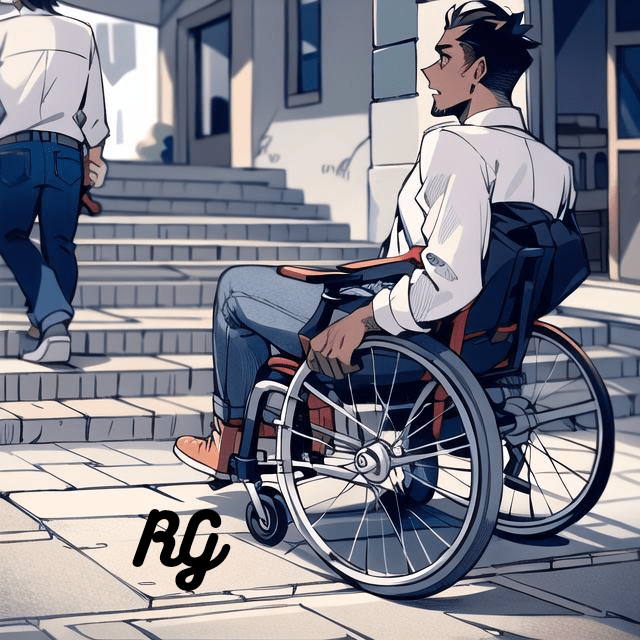
One of the most significant barriers for students with disabilities is physical accessibility. Many older university and community college buildings were constructed before the passage of the Americans with Disabilities Act (ADA) in 1990, which mandates accessibility standards for public spaces. As a result, many of these buildings lack accessible entrances, elevators, and restrooms, making it difficult, if not impossible, for students with disabilities to access classrooms and other facilities. Additionally, many classrooms and lecture halls have fixed seating arrangements that do not provide adequate space for individuals with mobility impairments to navigate. This lack of physical accessibility can make it difficult for students with disabilities to attend classes, participate in group discussions, and access resources on campus.
Another significant barrier for students with disabilities is the lack of support services and resources. Many universities and community colleges have disability offices or centers that provide accommodations and support services to students with disabilities, such as note-taking assistance, alternate format materials, and assistive technology. However, these offices are often understaffed and underfunded, and may not be able to provide the level of support that students with disabilities need to succeed. Additionally, many faculty members may not be trained on how to effectively accommodate students with disabilities in their courses, which can create further barriers to success.
Despite these challenges, there are many possibilities for accommodations that are reasonable and possible. For example, universities and community colleges can invest in retrofitting older buildings to ensure that they are accessible to individuals with disabilities, and can design new buildings with accessibility in mind. They can also provide additional funding and resources to disability offices and centers, and can train faculty members on effective strategies for accommodating students with disabilities in their courses. Additionally, they can provide additional resources for students with disabilities, such as tutoring, mentoring, and career services, to help them succeed academically and professionally.
One key strategy for improving accommodations for students with disabilities is to involve individuals with disabilities in the decision-making process. By including individuals with disabilities in the planning and design of buildings and resources, universities and community colleges can ensure that their needs are being met in a meaningful and effective way. Additionally, by involving students with disabilities in the development and implementation of support services and programs, universities and community colleges can ensure that they are meeting the unique needs of this population.
Another important strategy is to raise awareness about the needs of individuals with disabilities and the importance of accommodating them in higher education. This can include providing training and education to faculty, staff, and students on disability rights and accommodations, as well as promoting disability inclusion and accessibility in campus culture and policies. By raising awareness and promoting disability inclusion, universities and community colleges can create a more welcoming
 A Positive Dose Of Ralph