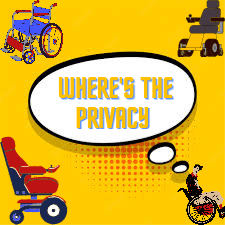
Privacy is a fundamental human right that is crucial for maintaining one’s dignity, autonomy, and personal freedom. However, people with disabilities often face challenges in protecting their privacy due to the societal stigma and discrimination that they experience. It is essential that we recognize the importance of privacy for people with disabilities and ensure that their privacy rights are respected in the same way that they are for everyone else in modern society.
People with disabilities may require assistance with daily tasks, such as getting dressed, bathing, or using the restroom. This assistance can be provided by caregivers, family members, or healthcare professionals. While this assistance is necessary and beneficial, it can also create a situation where the person with a disability is vulnerable to having their privacy violated. It is important that caregivers and healthcare professionals receive proper training to respect the privacy of people with disabilities and to ensure that their dignity and autonomy are protected.
Additionally, people with disabilities may have medical information that they wish to keep confidential. This information could include sensitive details about their physical or mental health, medications, or treatments. It is important that healthcare providers and other professionals who have access to this information respect the individual’s right to privacy and only share the information with others on a need-to-know basis.
Another area where privacy is important for people with disabilities is in the workplace. People with disabilities may require accommodations to perform their job duties, and these accommodations may require them to disclose information about their disability to their employer. It is important that employers respect the privacy of their employees and only use the information provided for the purpose of making accommodations and ensuring that the workplace is accessible.
Furthermore, people with disabilities may also face privacy concerns when using technology. For example, some people with disabilities may use assistive devices, such as screen readers or voice recognition software, to access the internet or use electronic devices. It is important that these individuals have the same level of privacy protection as anyone else using technology.
In conclusion, people with disabilities have the same right to privacy as everyone else in modern society. It is crucial that we recognize this right and work to ensure that people with disabilities are able to maintain their privacy, dignity, and autonomy. This can be achieved through proper training for caregivers and healthcare professionals, respecting confidentiality in medical settings, providing accommodations in the workplace, and ensuring that people with disabilities have the same level of privacy protection when using technology. By respecting the privacy of people with disabilities, we can create a more inclusive and equitable society for all.
 A Positive Dose Of Ralph