
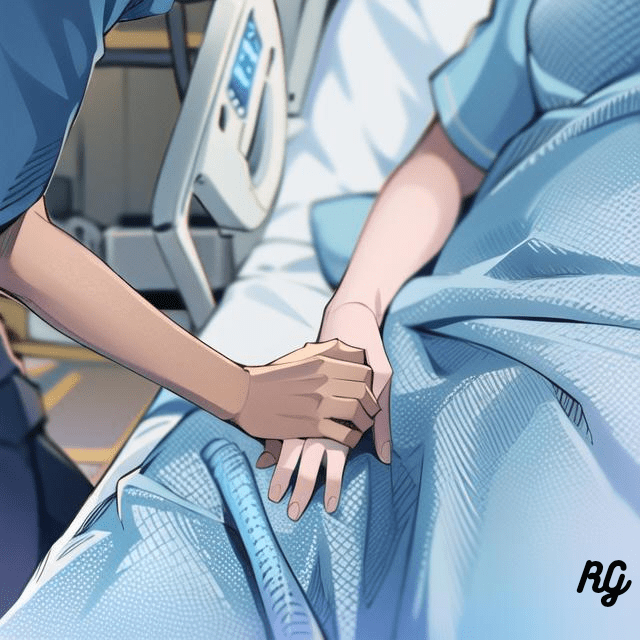
For many disabled individuals, a visit to the doctor or hospital can be a daunting experience. Not only are they dealing with the physical and emotional challenges of their disability, but they often encounter medical staff who lack the necessary bedside manner to make them feel comfortable and cared for.
Bedside manner, a term used to describe the way healthcare professionals interact with patients, is crucial in building trust and confidence in the medical system. Unfortunately, many disabled individuals report that they have encountered medical staff who are dismissive, impatient, and even rude. This can leave them feeling marginalized and neglected, and can even lead to them avoiding seeking medical treatment altogether.
There are many factors that contribute to the lack of bedside manner among medical staff. One of the main reasons is the heavy workload and time constraints that many healthcare professionals face. In order to see a large number of patients in a short amount of time, some medical staff may rush through appointments or fail to take the time to listen to their patients’ concerns.
Additionally, there is often a lack of training and education around disabilities and how to communicate effectively with disabled individuals. Medical staff may not be aware of the unique challenges that disabled individuals face, or they may not know how to adapt their communication style to better meet the needs of these patients.
The consequences of a lack of bedside manner can be significant. Disabled individuals may feel less inclined to seek medical treatment, which can result in untreated illnesses and worsening health conditions. They may also experience increased anxiety and stress, which can exacerbate their existing health issues.
To address this issue, there needs to be a greater emphasis on training medical staff in effective communication and bedside manner. This should include education around disabilities and how to interact with disabled patients in a respectful and compassionate manner. There should also be efforts to reduce the workload and time constraints that medical staff face, in order to give them the time they need to provide quality care.
In addition to these systemic changes, it is important for individual medical professionals to take responsibility for their own bedside manner. They should make an effort to listen to their patients, show empathy, and adapt their communication style to meet the needs of each individual patient.
Ultimately, improving bedside manner for disabled individuals is essential in ensuring that they receive the care and treatment they need. By prioritizing effective communication and empathy, medical staff can create a more inclusive and supportive healthcare system for all.
 A Positive Dose Of Ralph