
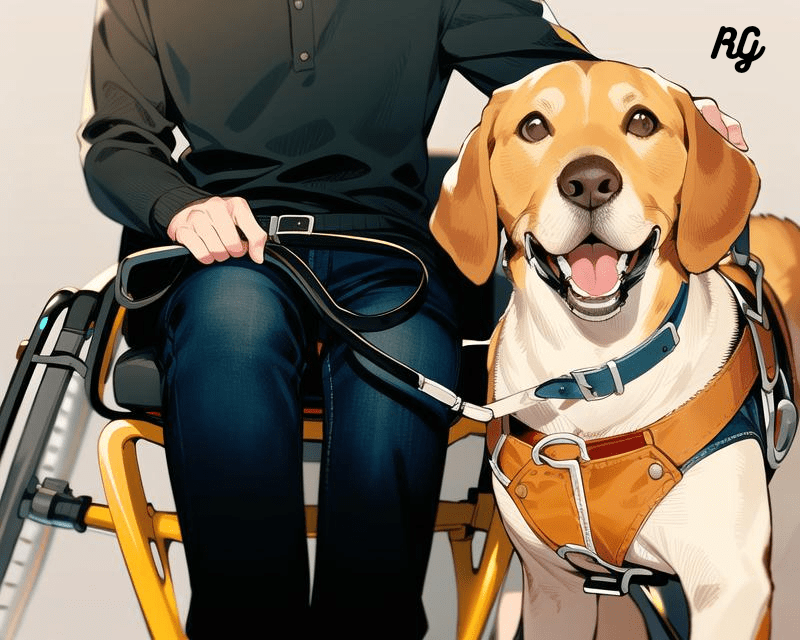
Emotional support and service dogs are invaluable companions for individuals with disabilities, providing a level of support and independence that is difficult to achieve through other means. Despite their importance, however, these dogs often do not receive the recognition they deserve for the significant impact they have on the disabled community.
Emotional support dogs are trained to provide emotional support and comfort to patients with mental health conditions, such as anxiety, depression, and post-traumatic stress disorder (PTSD). These dogs can help their owners manage their symptoms, reduce stress, and feel more secure in their daily lives. Service dogs, on the other hand, are trained to perform specific tasks for individuals with physical disabilities, such as guiding individuals who are blind, alerting individuals with hearing impairments, and providing stability and balance for groups with mobility impairments.
Despite their differences, both emotional support and service dogs play critical roles in the lives of individuals with disabilities. They provide a level of companionship and support that is difficult to achieve through other aids, and they help their owners live more independent and fulfilling lives.
Unfortunately, emotional support and service dogs often do not receive the credit they deserve for the impact they bring too the disabled community. Many people view these dogs as mere pets, failing to recognize the important roles they play in the lives of their owners. Additionally, there is a lack of understanding around the extensive training and effort that goes into preparing these dogs to provide such valuable support.
It is important to recognize the significant impact that emotional support and service dogs have on the disabled community. These dogs provide a level of support and companionship that is critical to the well-being of their owners, and they help people with disabilities achieve greater levels of independence and self-sufficiency. By raising awareness and understanding around the important roles these dogs play, we can better appreciate and support the disabled community as a whole.
 A Positive Dose Of Ralph